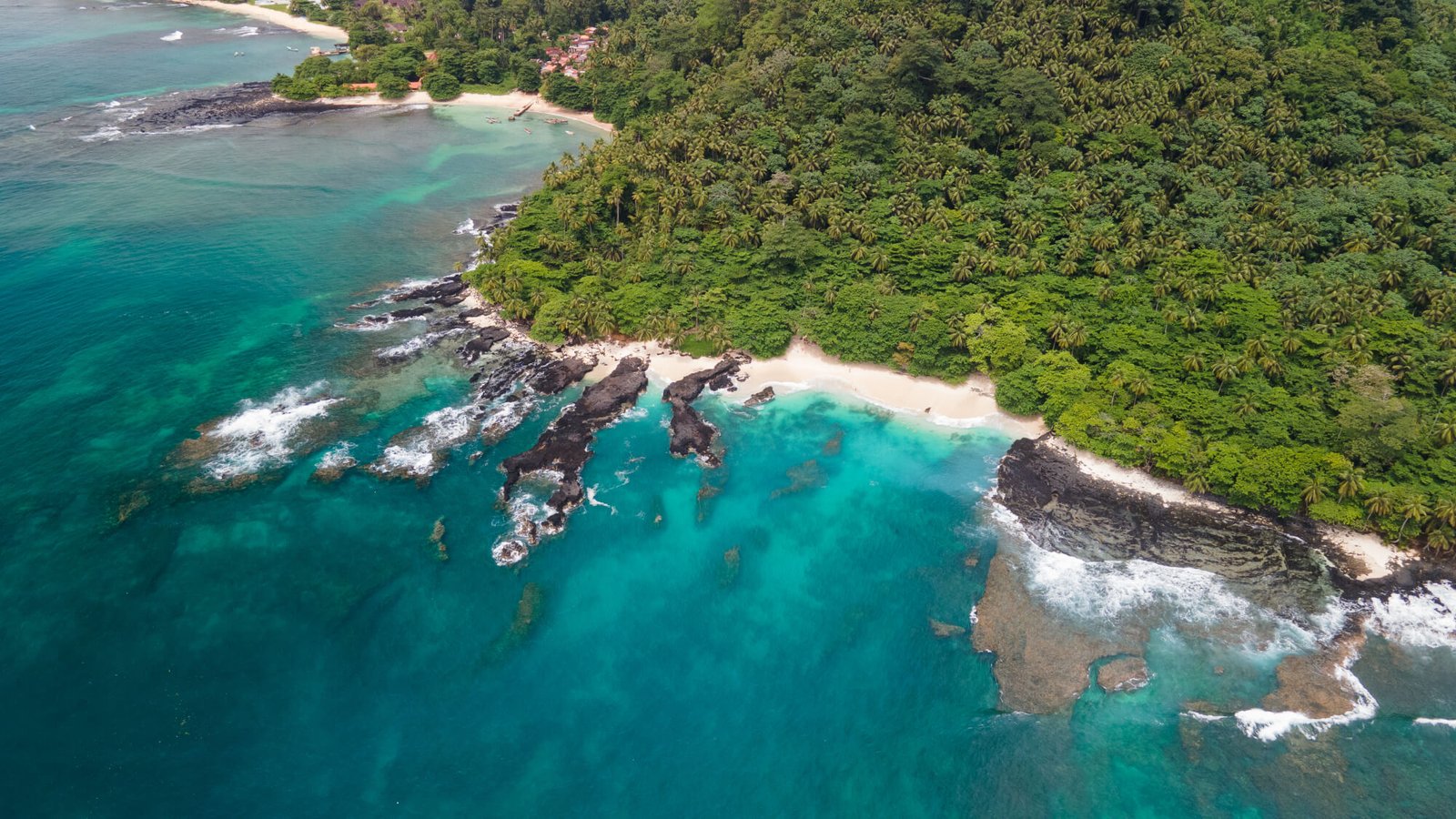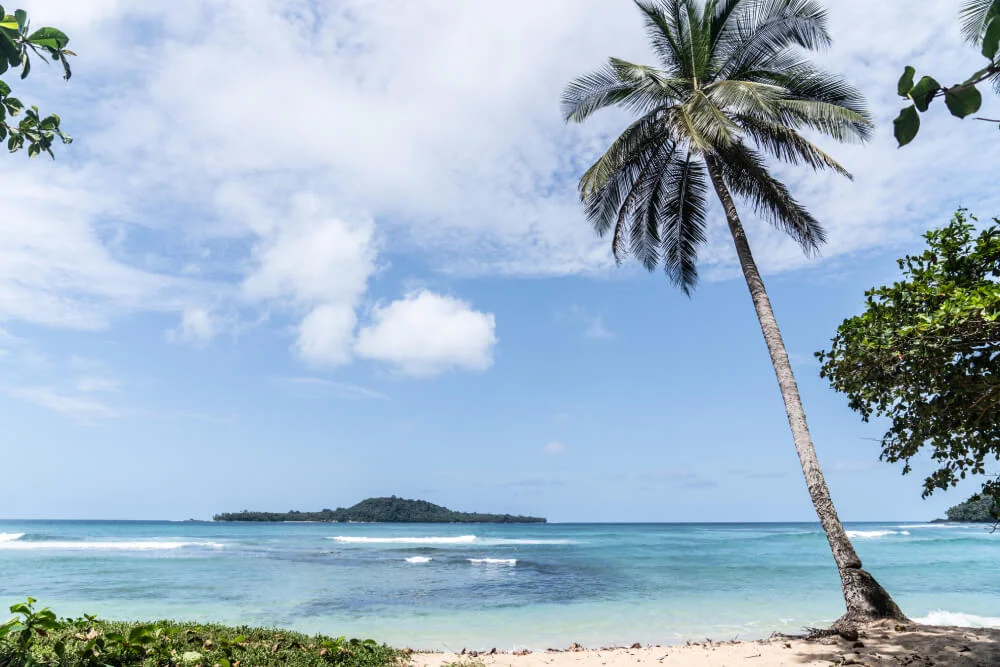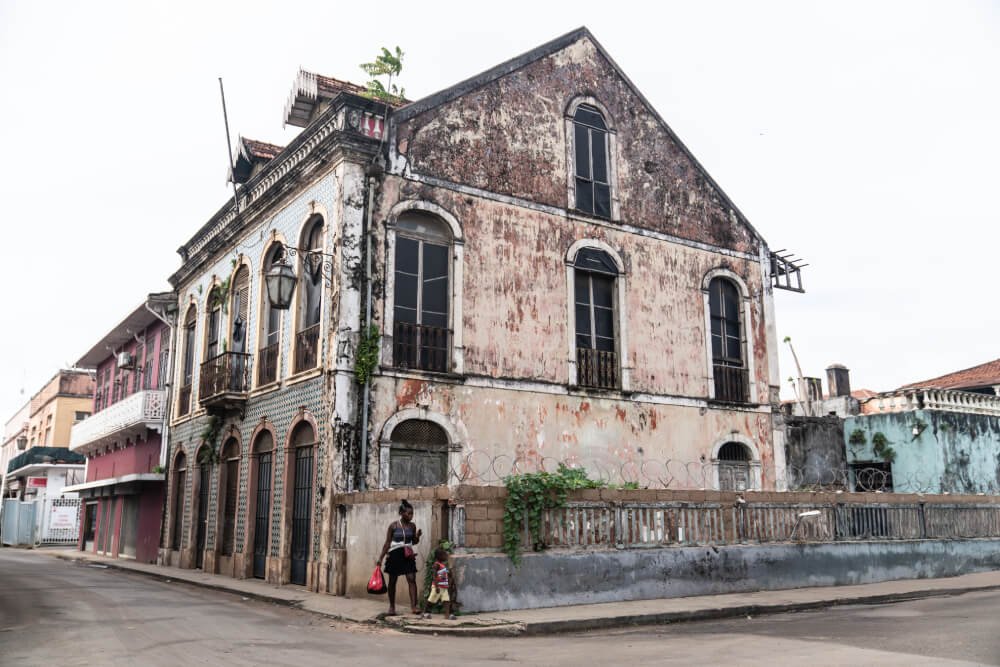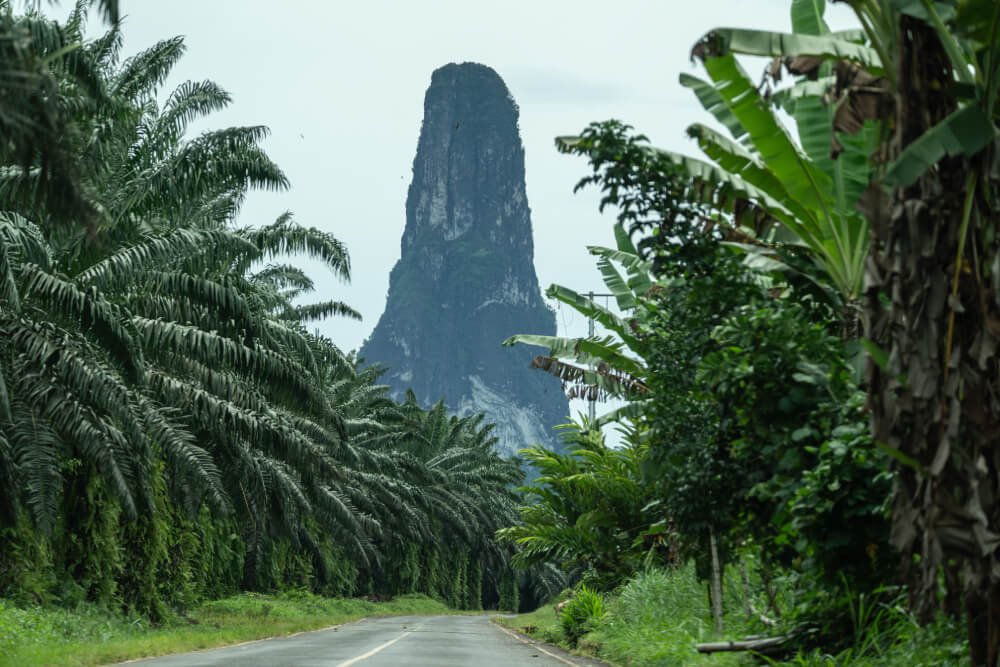
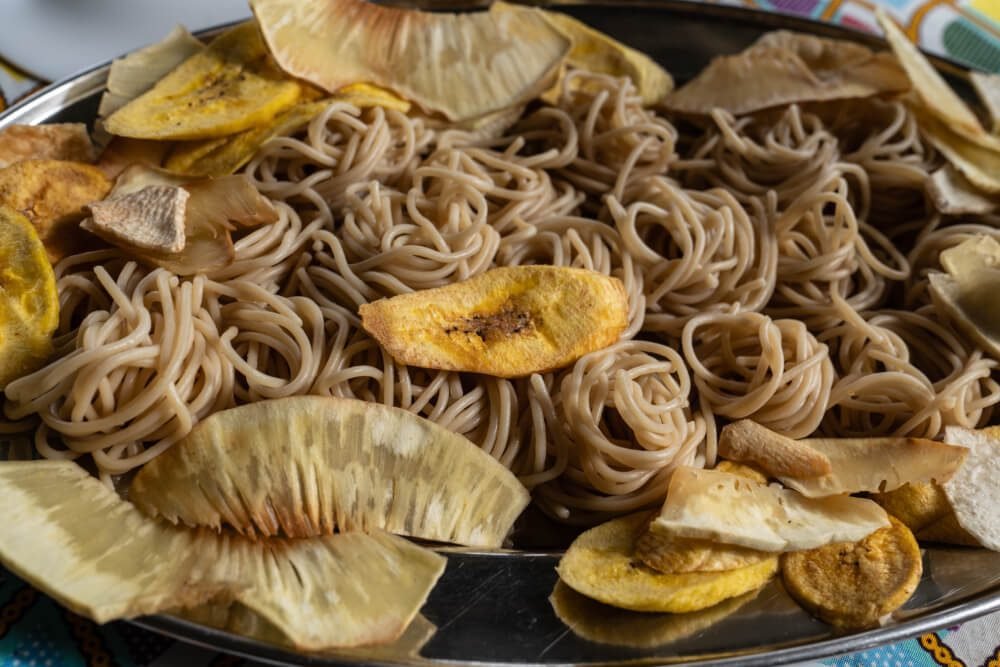
Travel is an experience you savour with all your senses, and food plays a key role in immersing yourself in a culture. When you set foot on the islands of São Tomé and Príncipe, you will find not only a visual feast of tropical landscapes but also an explosion of flavours. The food of São Tomé and Príncipe reflects its history, its volcanic soil and its African and Portuguese heritage.
Fresh fish, bananas, breadfruit, root vegetables, palm oil and local herbs are the basis of a simple, tasty cuisine. Get ready for a culinary journey as unforgettable as its beaches.
São Tomé and Príncipe food at a glance
If you're short on time, here are the essentials: Santomean cooking is based on fish, bananas, breadfruit, matabala and palm oil. Its most emblematic dish, often considered the national dish, is calulu, a smoked fish stew with herbs and palm oil. To drink, palm wine is the traditional choice, and for dessert, chocolate made with cocoa from the islands.
The pillars of Santomean cooking
The sea as the main larder
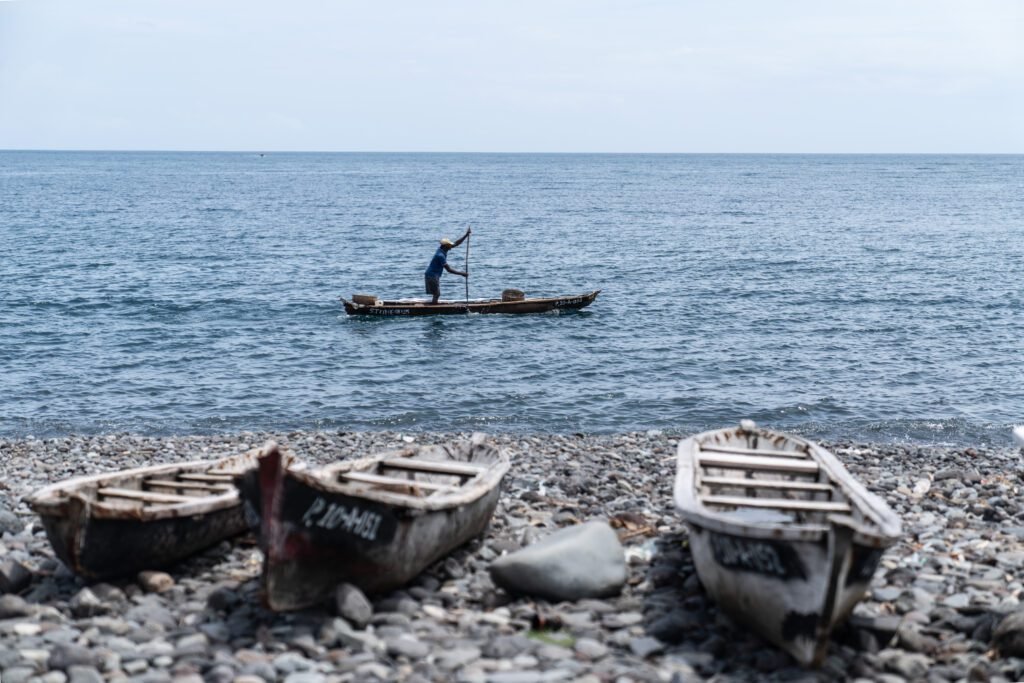
Surrounded by the Atlantic Ocean, the islands' great treasure is fish. It is grilled, roasted or stewed, and among the most popular species in restaurants are cherne and corvina. Flying fish, on the other hand, is split open and dried in the sun on the beach to preserve it. Tasting freshly caught fish by the sea is an experience that defines Santomean cooking.
Bananas, breadfruit and root vegetables
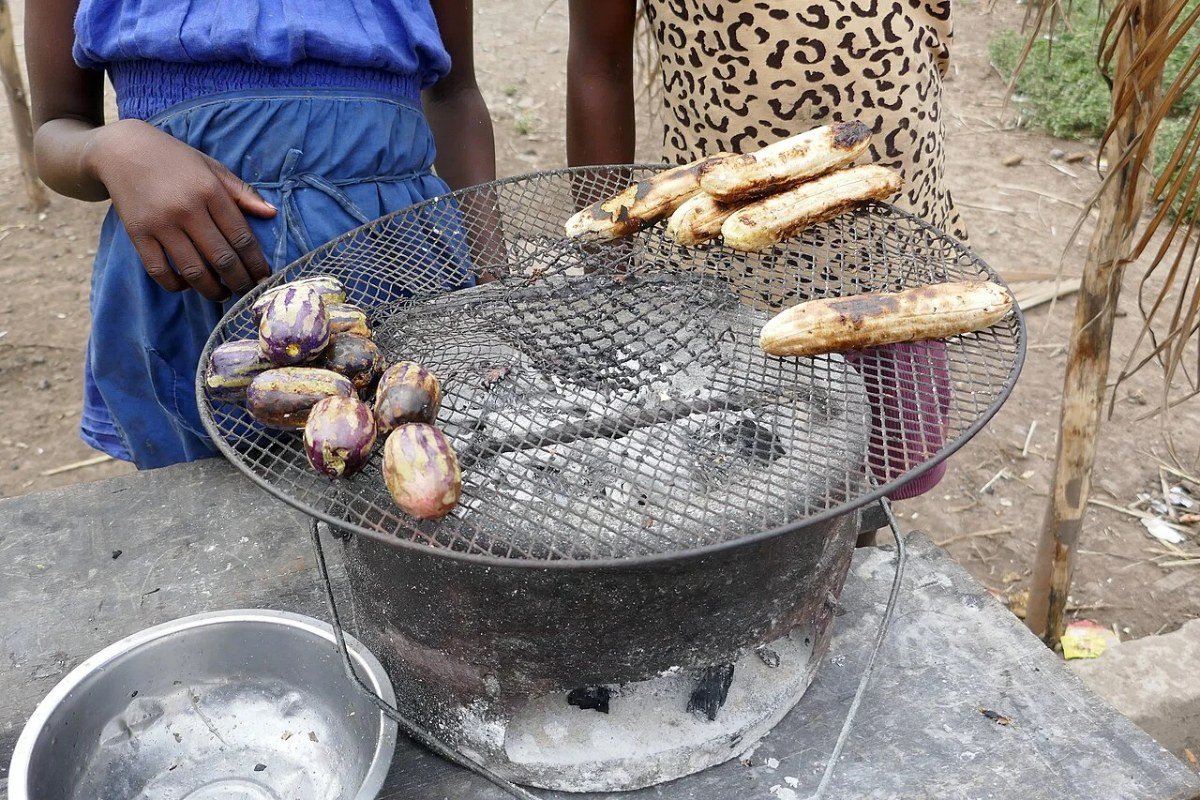
Beyond the sea, the volcanic soil and tropical climate provide the other pillars of the table. Bananas, especially banana-pão, the cooking variety, are eaten boiled, fried or roasted. Breadfruit (fruta-pão) is eaten roasted, fried or as a side dish. And matabala, a tuber with a firmer texture than potato, is mashed or cooked in stews with fish and palm oil. Cassava completes the larder.
Typical dishes of São Tomé and Príncipe
Calulu, the most emblematic dish
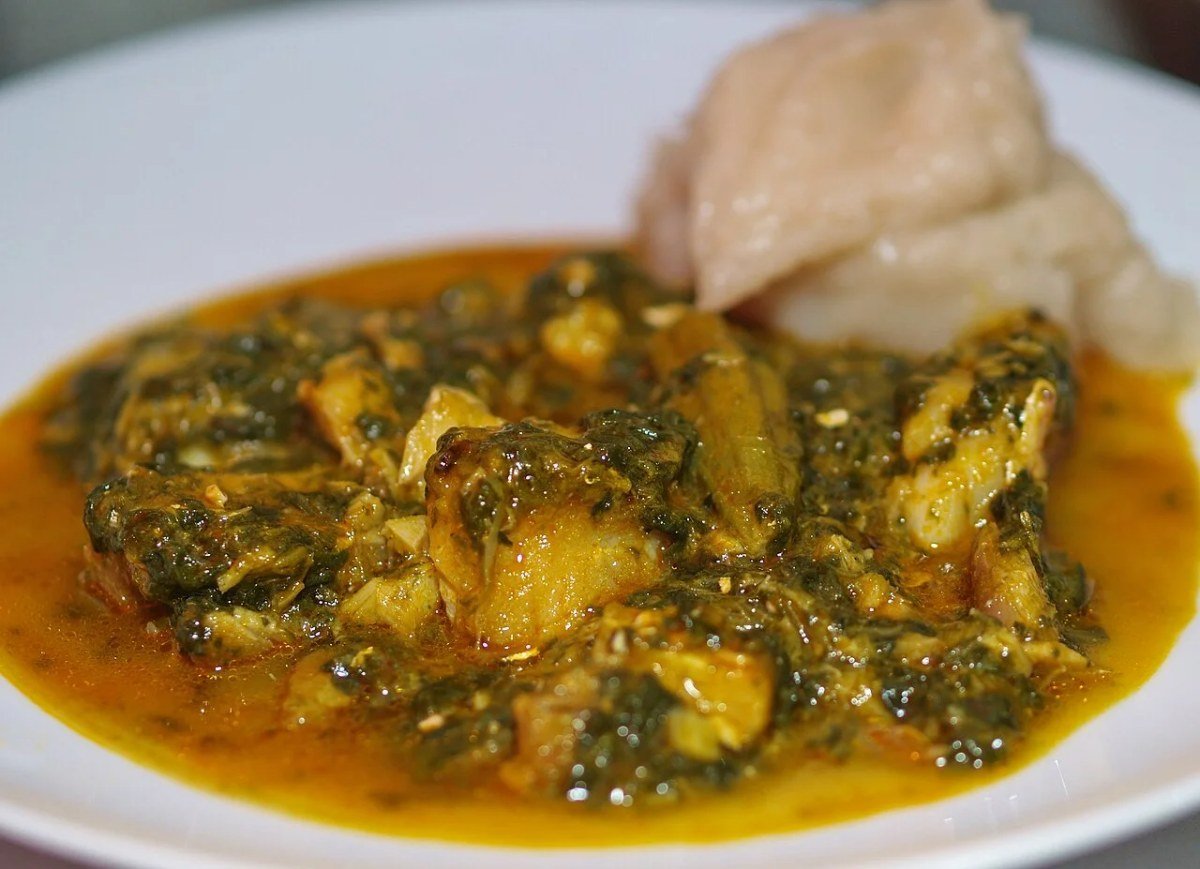
If one dish symbolises the food of São Tomé and Príncipe, it is calulu. It is a stew of dried or smoked fish (it is also made with chicken) cooked with palm oil, okra and a mix of local leaves and herbs, such as ocá leaves or erva-mosquito. It is slow-cooked for hours and usually served with banana angu, rice or cassava flour. It is the family meal par excellence, especially at weekends, and is also served at weddings, religious festivals and funerals.
Barriga de peixe: grilled fish belly
Grilled fish belly, usually from sailfish, is one of the most popular dishes in restaurants and is served with rice, breadfruit or cassava.
Grilled fish with breadfruit and banana
The simplest and most authentic way to eat on the islands: the catch of the day, grilled and served with breadfruit or banana-pão, always with the spicy malagueta chilli sauce you will find in every restaurant.
Izaquente
Izaquente is the fruit of a large wild tree, a kind of African breadfruit whose seeds are eaten boiled. It is served with smoked fish and spices, and there is also a sweet version, izaquente de açúcar. It is part of Slow Food's Ark of Taste, a catalogue of traditional foods worth protecting.
Cachupa, a Cape Verdean legacy
The Cape Verdean workers who came to the roças left their mark on Santomean cooking with dishes such as cachupa, a stew of maize and beans.

Tropical fruit
The market is a riot of colour: jackfruit, papaya, mango, coconut and, above all, safu, a purple-skinned fruit that is eaten roasted and sold at street stalls.
Sweets and desserts
Santomean desserts make the most of bananas, coconut and rice. Among the most typical are bolo de banana, a cake made with ripe bananas that often includes coconut milk, and arroz doce, rice pudding, which here is often made with coconut.
Cocoa and chocolate: the islands' gold
In the early twentieth century, São Tomé and Príncipe became the world's largest cocoa producer, a past also linked to forced labour on the roças. Today its production is small but focused on quality. On the Avenida Marginal in the capital you can visit Claudio Corallo's factory, which makes chocolate with cocoa from Príncipe and offers tastings, and the Chocolateria Diogo Vaz, opened in 2018, a café with its own factory that works with cocoa from the roça of the same name. We tell you all about it in our cocoa route through São Tomé and Príncipe.

Traditional drinks
- Palm wine (vinho de palma): the traditional drink par excellence, tapped from the palm tree. In the morning it is sweet and, as the hours pass, it ferments and becomes more sour.
- Aguardente: the local spirit distilled from sugar cane.
- Coffee: the roças on the hillsides produce coffee, and at Roça Monte Café you can visit its small museum.
- Beer: the best-known local beer is Rosema.
- Coconut water: the best way to cool down.
Where to eat in São Tomé and Príncipe
- Municipal Market: in the capital, it is the ideal place to see and taste fruit, spices and local produce.
- Roças: several former plantations have restaurants. The most famous is Roça São João dos Angolares, where chef João Carlos Silva offers a tasting menu made with produce from the island. We visit it on our East Coast Tour.
- Coastal restaurants: in the Neves area, in the north-west of the island, you will find very fresh fish and seafood.
- Street stalls and local eateries: grilled fish, safu, roasted banana and home cooking at very affordable prices, as we explain in our article on the cost of living in São Tomé and Príncipe.
And if you want to take a piece of the islands home with you, chocolate and coffee make the best souvenirs: you'll find more ideas in our guide to what to buy in São Tomé and Príncipe.
Frequently asked questions
What is the typical dish of São Tomé and Príncipe?
Calulu, a smoked fish stew with palm oil, okra and local herbs, often considered the national dish.
What do people eat in São Tomé and Príncipe?
Mainly fish, bananas, breadfruit, matabala and cassava, grilled or cooked in stews with palm oil.
What is matabala?
A tuber with a firmer texture than potato, widely used in Santomean cooking, mashed or in stews.
What do people drink in São Tomé and Príncipe?
Palm wine is the traditional drink; there is also cane spirit (aguardente), coffee from the roças and the local beer, Rosema.
What is safu?
A purple-skinned fruit that is eaten roasted and sold at street stalls across the islands.
Ready for a culinary adventure in Sao Tome and Principe?
At Privilege Tours we don’t just organise trips: we offer complete experiences that include the archipelago’s most authentic flavours, from hiring a car to explore local markets and hidden restaurants to tailor-made tours in São Tomé and Príncipe that bring you closer to Santomean culture and cooking. Let our local knowledge and our passion for the island turn your trip into a memorable adventure for your palate.
Let us help you organise your trip and enjoy the best food in São Tomé and Príncipe! Contact us today and start savouring your next adventure.